Australian honey types by region, and when to harvest each one
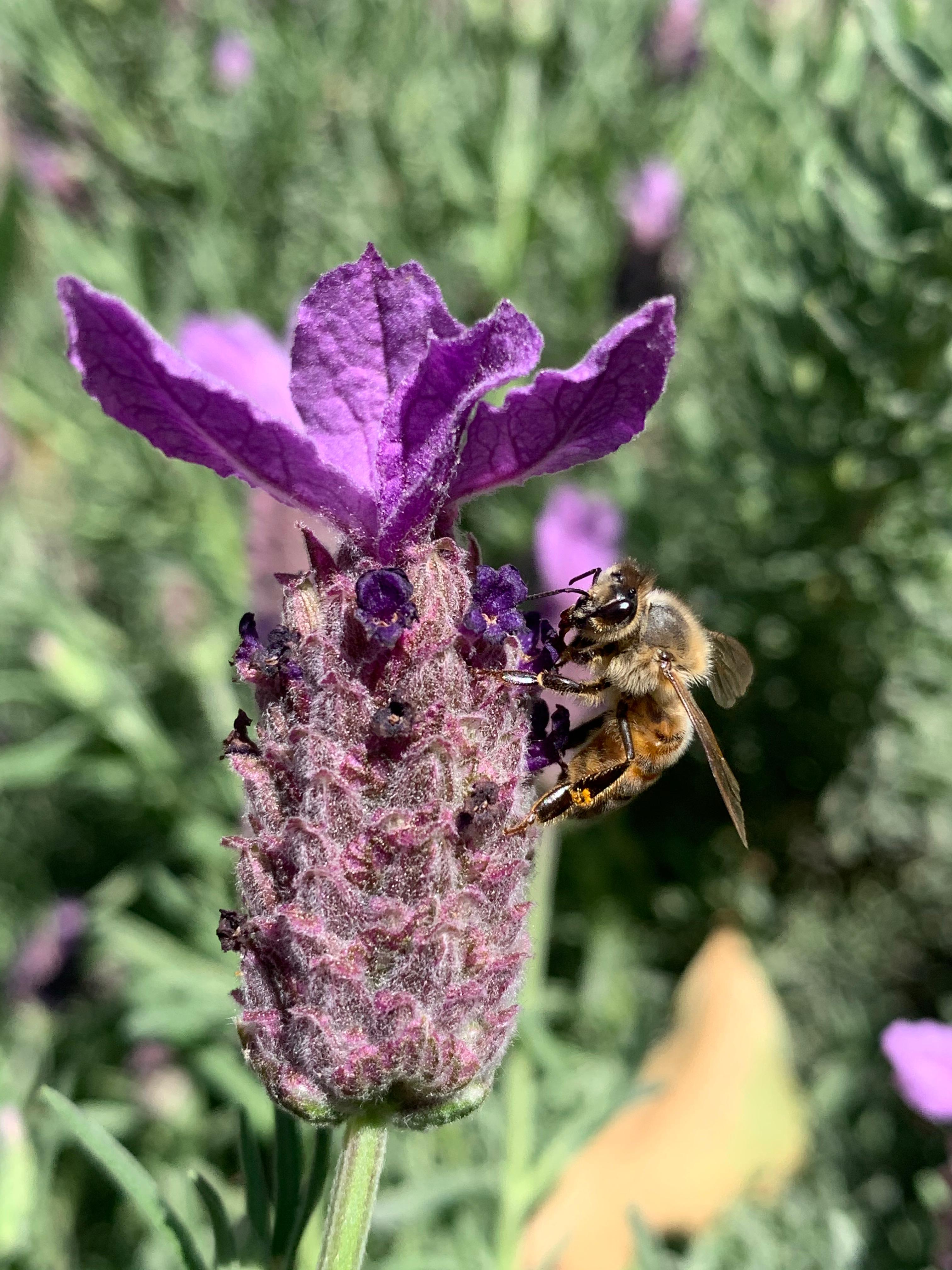
Australian honey is regional in a way that most of the world's honey is not. A jar of jarrah from the WA south west tastes nothing like a jar of leatherwood from the Tasmanian rainforest, and neither tastes like a yellow box from a stand of trees on a NSW central west sheep paddock. The reason is that almost all our flowering trees are eucalypts, and every eucalypt species produces a distinctive nectar. If you keep bees in Australia, you have a chance to produce honey that is unique to a region and a season. The trick is knowing when each tree is in flower, and harvesting at the right moisture.
This is a regional calendar, not a comprehensive guide. Local beekeeping associations publish detailed flowering calendars for their patches and those are worth more than any national overview. What follows is the rough shape of the year for the major commercial honeys.
Yellow box (NSW, Victoria, southern QLD)
The most commercially significant honey in eastern Australia. Yellow box (Eucalyptus melliodora) flowers in late spring through summer (November to February), and a single tree on a good year can yield 10 to 20 kg per hive within range.
- Colour. Pale gold, very clear.
- Flavour. Mild, sweet, with a gentle butterscotch note. Granulates slowly because of low glucose.
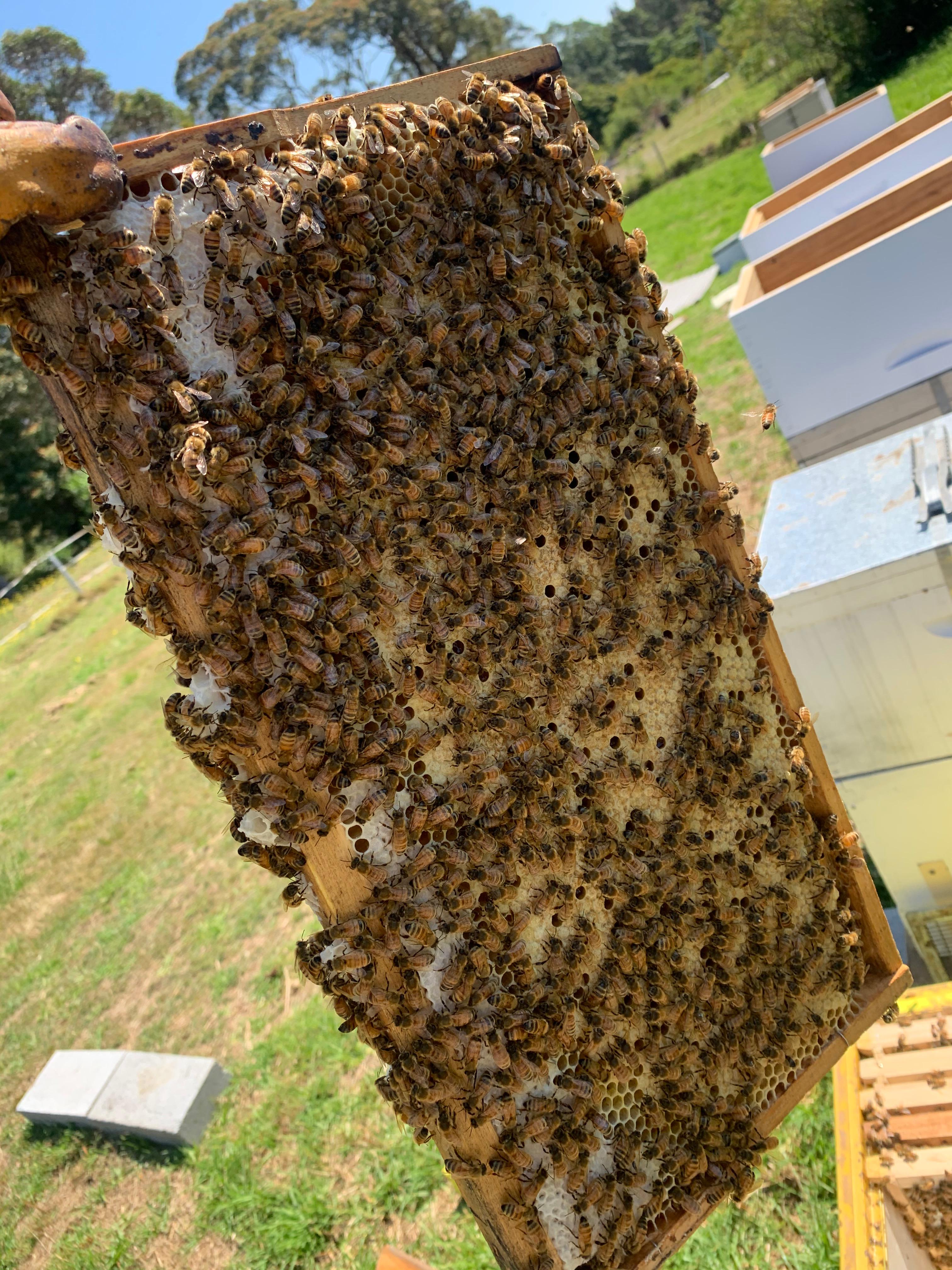
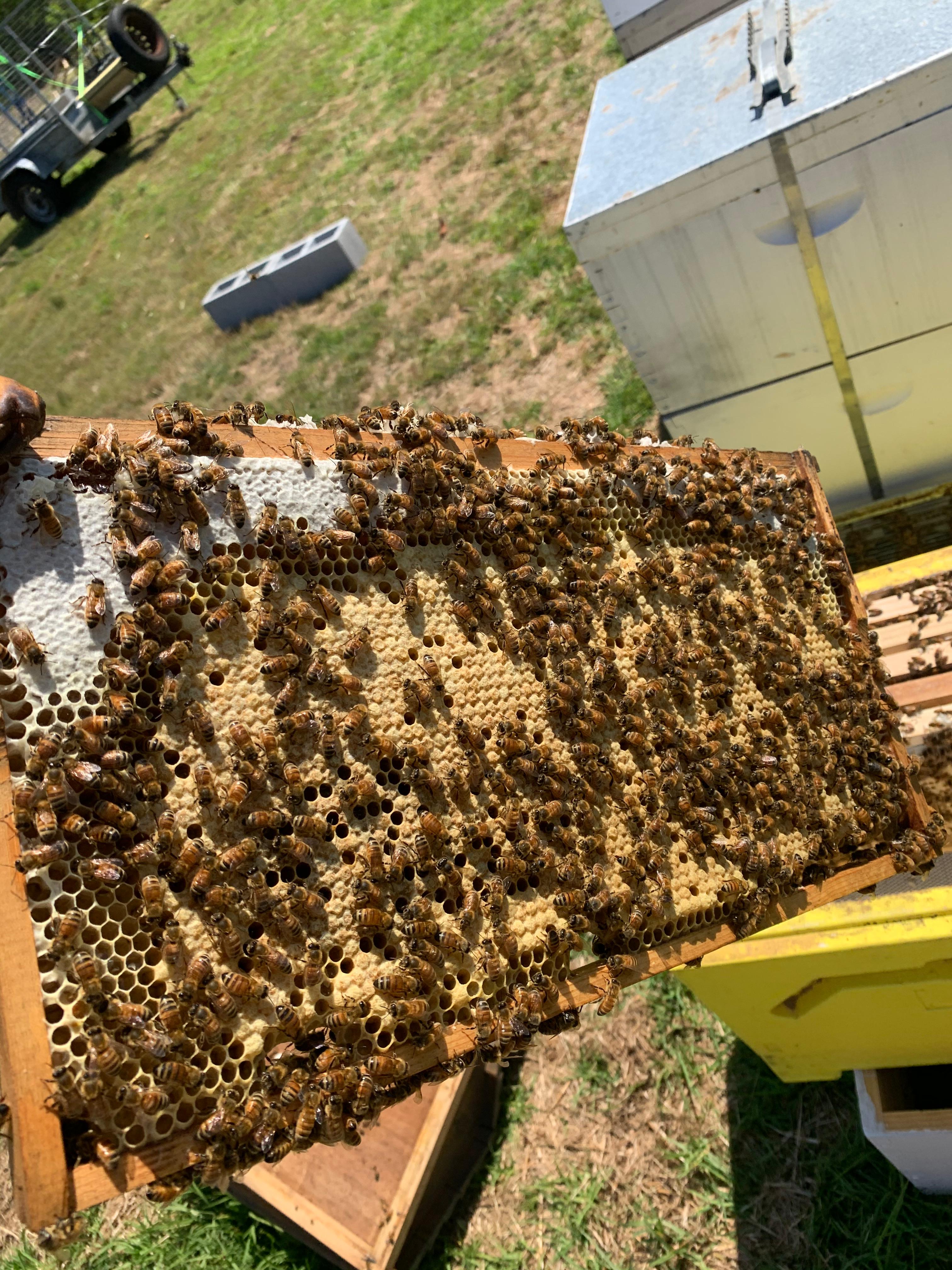
- Best harvested. When the flow tapers off and 80% of the super is capped. Yellow box ripens in the comb fast.
- Moisture target. Below 18.6%, ideally 17 to 18%.
Yellow box does not flower every year. It is famous for skipping. A bumper yellow box year is usually preceded by good winter rain and follows by 12 to 18 months. If you have yellow box in range, watch it. It is the difference between a lean year and a great one.
Leatherwood (Tasmania)
The signature honey of the Tasmanian rainforest. Leatherwood (Eucryphia lucida) flowers in mid to late summer (January to March), and the bees have to be physically moved into the rainforest to access it.
- Colour. Pale to mid amber.
- Flavour. Distinctively floral, almost perfumed. Polarising. Some Australian beekeepers consider it the country's premier honey; others find it too strong.
- Best harvested. Late February into early March, after the flow ends.
- Moisture target. Below 18.6%, watch closely because rainforest humidity is high and uncapped honey can be over 20% moisture.
If you do not keep hives in Tasmania, you cannot produce leatherwood. There is no substitute and no comparable honey on the mainland. The Tasmanian Beekeepers Association publishes the rainforest flowering forecast each year.
Manuka (Tasmania, parts of NSW)
The contentious one. Leptospermum scoparium and several related species flower across parts of Tasmania, NSW and Victoria. The honey produced is chemically very similar to New Zealand manuka, with measurable methylglyoxal (MGO) levels and antibacterial properties.
The trade dispute with New Zealand over the right to call it "manuka" is ongoing. Australian producers, supported by the Australian Manuka Honey Association, argue (and are increasingly winning international rulings) that Leptospermum is native to Australia as well as NZ, and "manuka" is an indigenous name on both sides of the Tasman.
- Bloom. Tasmania: November to January. NSW north coast: October to December.
- Best harvested. When the flow ends. Manuka honey is thixotropic (jellies in the comb) and sometimes needs special extraction equipment.
- Moisture target. Below 18.6%.
If you are producing manuka, get it tested for MGO. The price difference between certified manuka and unlabelled bush honey is enormous.
Jarrah and marri (Western Australia south west)
The signature honeys of the WA south west forests.
-
Jarrah (Eucalyptus marginata) flowers every second year typically, December to February. Dark amber, low glucose-to-fructose ratio (so it almost never granulates), and antibacterial activity comparable to manuka. Premium price.
-
Marri (Corymbia calophylla) flowers December to March, often in the years jarrah is "off". Light amber, mild, more conventional honey character.
-
Best harvested. When 80% capped, generally late summer.
-
Moisture target. Below 18.6%. WA's dry climate makes this easier than the east coast.
WA's varroa-free status (still, in 2026) means WA honey commands a premium in some markets, particularly export.
Macadamia (north NSW, southeast QLD)
Macadamia plantations need bee pollination, and the resulting honey is a side benefit.
- Bloom. August to October. Earlier than most native flows, which makes macadamia useful as a build-up flow before the main spring.
- Colour. Mid amber.
- Flavour. Distinctly nutty, hints of toasted almond.
- Best harvested. When the flow ends and frames are 80% capped.
- Moisture target. Below 18.6%. Subtropical humidity is the enemy here. If in doubt, run a refractometer.
Pollination contracts pay per hive per week, so for many subtropical beekeepers macadamia honey is bonus revenue on top of the pollination fee.
Wildflower (WA, central Australia, anywhere with mixed bush)
Not a single botanical source but a blend, dominated by whichever native is in flower at the time. The catchall label for honey that does not pass single-source criteria.
- Bloom. Year-round, region dependent. WA's wildflower season runs August to November in the north, peaking with everlastings and verticordia.
- Colour. Highly variable.
- Flavour. Highly variable.
- Best harvested. When the dominant flow ends and the supers cap up.
- Moisture target. Below 18.6%.
Wildflower can be the most interesting honey in your harvest, or it can be a disappointing brown blend. The difference is the dominant species.
Ironbark (NSW, QLD)
A late summer to autumn flow from Eucalyptus crebra (narrow-leaved ironbark) and other ironbark species.
- Bloom. February to April, sometimes into May.
- Colour. Light amber.
- Flavour. Strong, malty, with a long finish. Granulates fine and creamy within months.
- Best harvested. Late autumn, after the flow ends.
- Moisture target. Below 18.6%.
Ironbark is a bee-friendly flow, often in dry inland country where almost nothing else is producing. A single big ironbark stand can carry an apiary through autumn.
Reading the harvest tells
Across all of these, the timing rules are consistent.
- 80% capped supers is the harvest signal. The bees cap honey when they have evaporated it down to roughly 18% moisture. Capped honey is, by definition, ready.
- Uncapped honey above the harvest threshold should be left for the bees, returned to the hive, or processed separately as it can ferment.
- Refractometer every batch. A $40 refractometer pays for itself in one ruined drum of fermenting honey. Target below 18.6% (Codex), aim for 17 to 18% to be safe.
- Smell the super before you pull it. A finished super smells of dry wax and warm honey. A super that smells sour is fermenting. Do not blend it.
Recording so you can market the regional story
If you sell honey, the story matters. A buyer who hands over $20 for a 500 g jar wants to know the species, the apiary, the year. The records you should keep for each batch:
- The dominant flora source.
- The harvest date.
- The apiary location.
- The moisture reading.
- The batch yield (kg).
- Any treatment withdrawal-until dates that overlap (which would disqualify the batch from sale).
Australian regional honey is the second-best argument for keeping bees in this country. The first is the bees. The records are how you turn the honey into a label that someone will buy twice.