Spring buildup checklist for Australian beekeepers: September to November
The internet is full of beekeeping advice that makes sense in March and is dangerous in September. Northern hemisphere beekeepers do their spring buildup as the daffodils come out in March. Australian beekeepers do it as the wattle finishes in September. The biology is the same. The calendar is upside down. If you are reading a US or European blog, mentally subtract six months before you act on it.
Here is the actual Australian spring, broken into the three months that matter.
September: the first real inspection
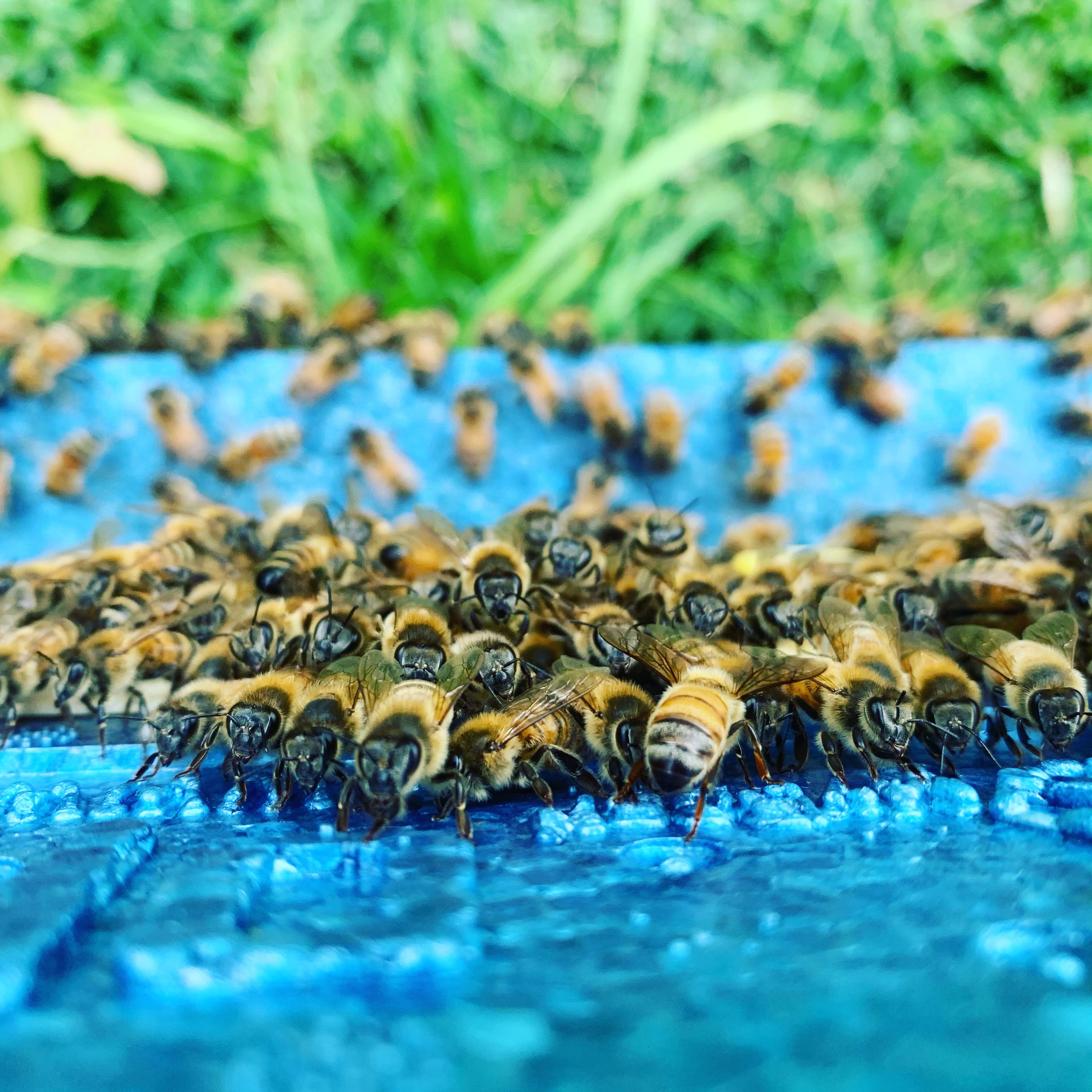
Pick a calm, sunny day above 18 degrees. Bees should be flying freely. A small wax moth flutter is fine. A roar of bees boiling out the entrance is not, that is a robbing scenario, close it back up and come back another day.
What you are checking, in order:
- Stores. A frame and a half of capped honey is your minimum. Less than that and you feed.
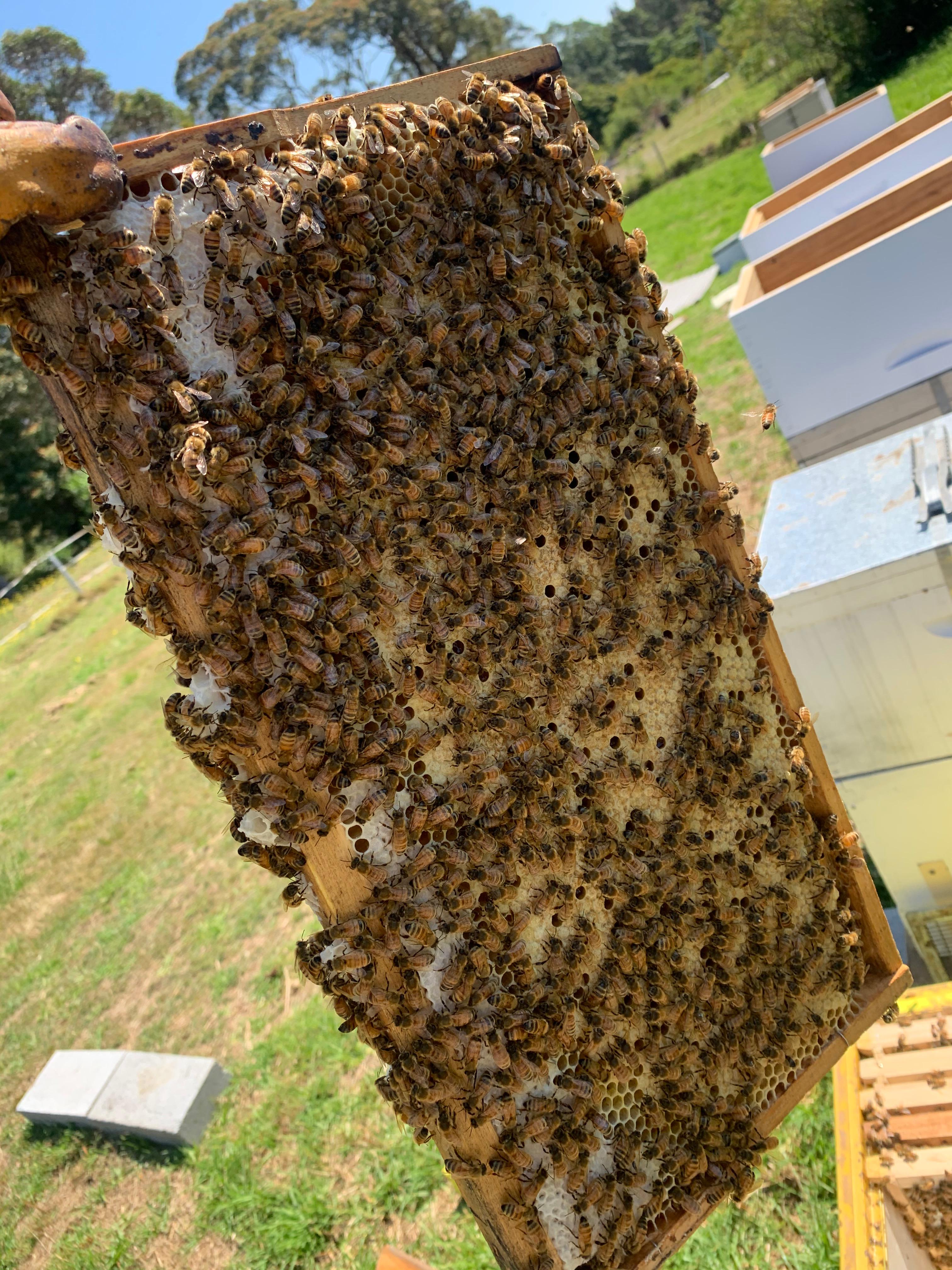
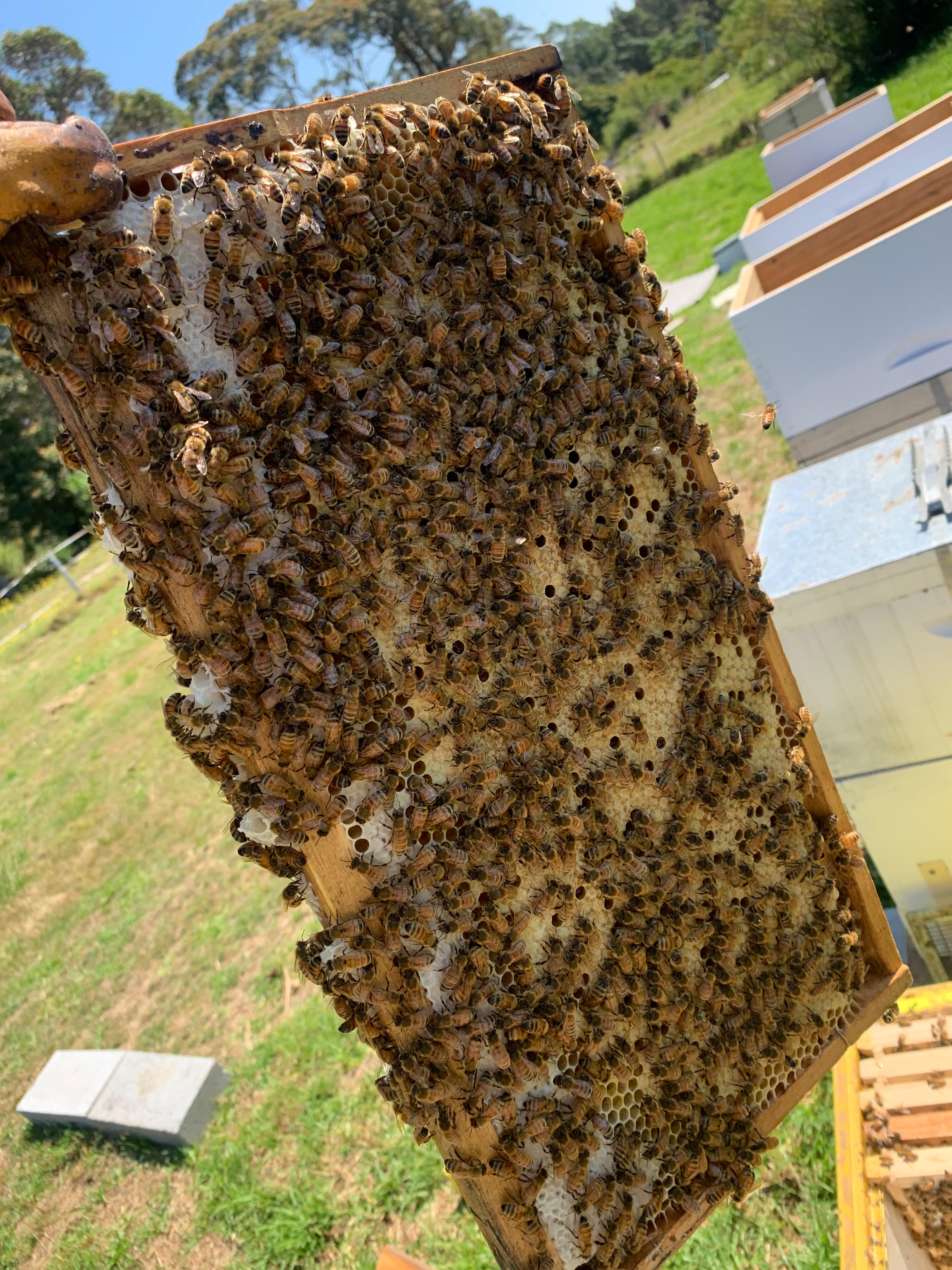
- Cluster size. A healthy hive coming out of an Australian winter is on five to eight frames of bees. Three or fewer is a colony in trouble.
- Brood pattern. Look for fresh eggs (vertical white commas standing up in the cells). Eggs mean a queen, alive, in the last three days. You do not have to find her if you can find eggs.
- Disease. Run your eye over capped brood. Any sunken or perforated cappings, do the ropy-string test. AFB does not take a winter off.
- Mites. Sugar shake your strongest hive. Spring monitoring matters, because mite populations explode through the buildup as brood expands.
Do not pull every frame on this first inspection. The cluster does not want to be broken open more than necessary. A quick check of two centre frames is plenty.
Feeding in spring: when, what and how much
The textbook is that you feed 1:1 sugar syrup in spring, because the thinner ratio mimics nectar flow and stimulates brood rearing. The textbook is correct.
When to feed:
- Capped honey reserves below one full frame. Feed.
- Cool nights still expected and the colony is small. Feed.
- A late winter dearth before the first wattle. Feed.
When not to feed:
- A flow is on. If the hive is bringing in nectar, syrup adulterates the honey crop and is illegal to sell as honey.
- A weak hive in a strong-robbing apiary. Feeding a weak hive in the open is a robbing invitation. Use a top feeder, not an entrance feeder, and reduce the entrance to a single bee width.
How much:
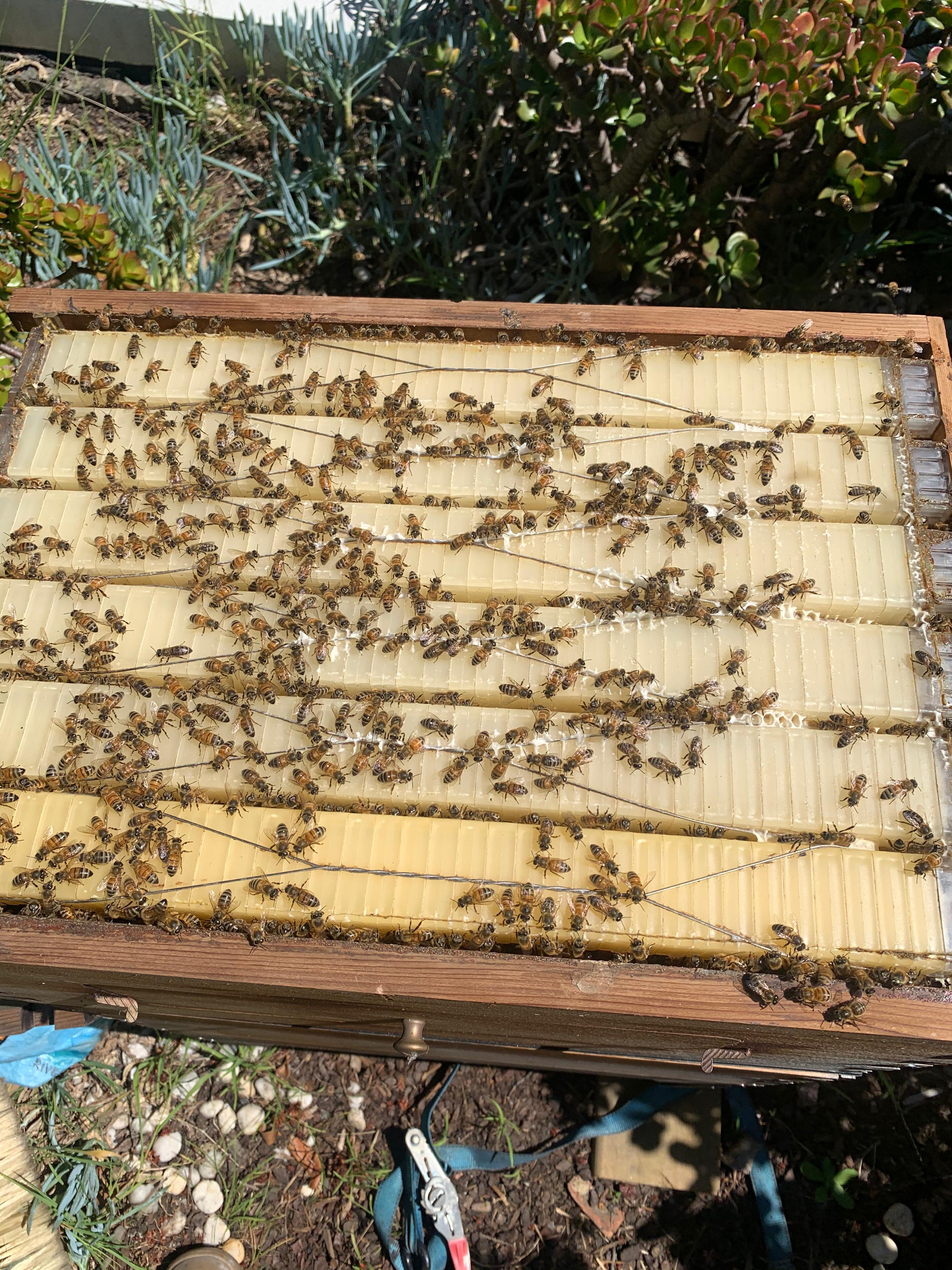
- A 1 L frame feeder gets refilled every two to four days during active buildup.
- A 4 L top feeder is usually a once-a-week refill.
- Stop feeding the moment you add a honey super you intend to harvest from.
Sugar to water ratio for 1:1 syrup: 1 kg of white sugar to 1 L of water. Boiled water cools faster than you think. Do not add boiling water to sugar over heat, you will caramelise it and the bees will reject it.
October: split or super decision
By mid October most colonies have at least doubled the brood area from September. The decision now is whether to split (make two colonies from one) or to super (add another box and let the colony build into the flow).
Split if:
- The colony is on eight or more frames of brood and bees are bearding hard.
- You see swarm cells (queen cups along the bottom edge of frames, with eggs or larvae in them).
- You want to expand your apiary, or you have lost a colony over winter.
Super if:
- The colony has space to grow but is not yet at swarm density.
- A flow is on or imminent (yellow box, salmon gum, white box, depending on your region).
- You do not want more colonies; you want more honey.
A common rookie mistake is supering too late. The rule is: when the bees have drawn comb on 80% of the frames in the top brood box, you super. Late super, and the bees decide for you. They swarm.
Swarm prevention: the three checks that work
Swarm prevention is mostly about understanding that bees swarm because they are out of room or out of pheromone influence from the queen. Address both.
- Reverse the brood boxes in early October. The cluster moves up over winter; the bottom box is empty by spring. Putting the empty box on top opens the upward path the queen wants to lay into.
- Cut swarm cells if you see them, but understand this is buying time, not solving the problem. If a colony is determined to swarm, it will. Cutting cells is a holding action while you organise a split.
- Make a walk-away split before the colony commits. Take three frames of brood and bees, two frames of stores, and put them in a nuc. The bees will raise a queen. The original colony's swarm urge usually evaporates.
November: the flow is on
By November in most of southern and eastern Australia, the spring flow is in full swing. Yellow box and box ironbark are working in inland NSW and Vic. White clover is everywhere there has been rain. In the south west, jarrah and marri kick off in earnest.
The November tasks are short:
- Add supers as fast as the bees fill them. A general rule: when the top super is 70% capped, add another underneath it.
- Stop feeding immediately if you have not already. Honey contaminated with sugar syrup is unsellable and you will not be able to tell from a tasting.
- Inspect for mite load every three weeks. Spring is when varroa numbers go vertical because the brood area has tripled. A 1-mite reading in September is a 6-mite reading in November if you are not paying attention.
- Replace any frames more than five years old. Old, dark brood comb harbours pathogens and pesticide residues. Spring is when bees draw comb fastest. Use it.
What good spring records look like
You want, for each hive, by the end of November:
- Three inspection entries with brood frame counts and queen status.
- At least one varroa count.
- A note of any swarm cells found and what you did about them.
- A note of any feeding (date and amount).
- The date you added each super.
Do that, and going into December you know exactly which hives are flying and which are limping. December is when the heat starts to bite and weak hives go backwards fast. The decisions you make in early December rest on the records you kept from September.
The spring buildup is short. It is also the most consequential ten weeks of the beekeeping year. Get it right and you have honey, splits, and queens to spare. Get it wrong and you spend summer chasing problems you could have prevented in October.